Contact Us

Edit Template

Expert Cheque Bounce Lawyers in Delhi |
Strong Legal Action Under Section 138 of the NI Act

Don't Let a Bounced Cheque Derail Your Finances. Get the Money You Are Owed.

A cheque is more than just a piece of paper; it is a promise of payment, a symbol of trust in business and personal transactions. When that cheque bounces, the impact is immediate and damaging. It’s not just an inconvenience—it’s a breach of trust that can disrupt your cash flow, strain your business relationships, and create significant financial and emotional stress.


If you are holding a bounced cheque, you are not powerless. The law in India provides a powerful, swift, and effective remedy. The Negotiable Instruments Act, 1881, specifically Section 138, treats cheque bouncing as a criminal offense, empowering you to hold the defaulter legally and financially accountable.


At Advocate Pranesh Gupta and Associates, we are recognized as leading cheque bounce lawyers in Delhi. We specialize in transforming the frustration of a bounced cheque into a successful legal recovery. Our practice is built on a deep, nuanced understanding of the NI Act, a meticulous approach to procedure, and an unwavering commitment to securing our clients’ dues. We provide strategic, aggressive, and results-driven legal counsel to ensure that your financial rights are protected and enforced to the fullest extent of the law.
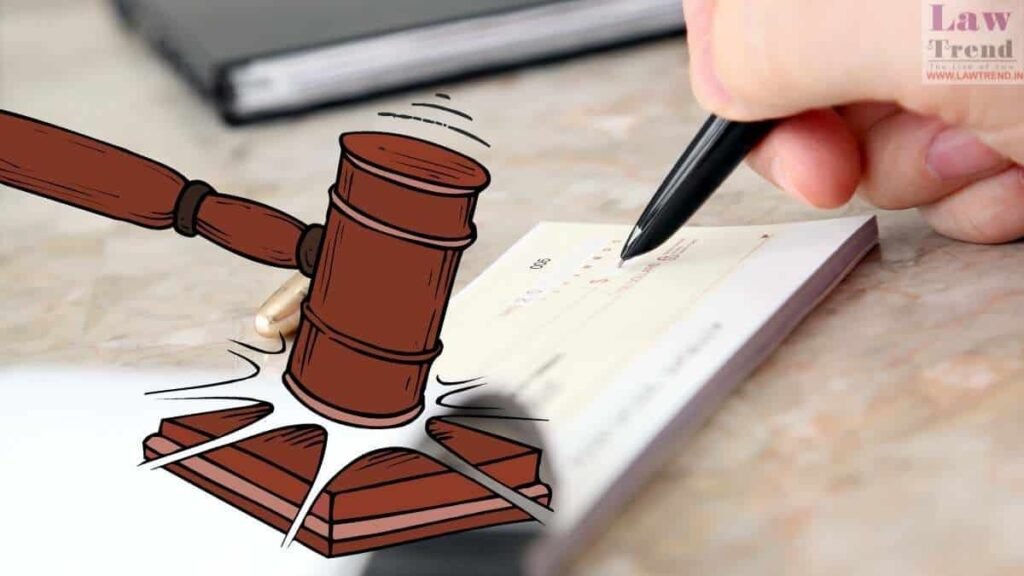
Understanding Cheque Bouncing Under the Negotiable Instruments Act

A cheque “bounces” or is “dishonored” when it is presented for payment but cannot be cleared by the bank. The most common reasons for dishonor include:

 
  • Insufficient Funds: The account does not have enough money to cover the cheque amount.
  • Account Closed: The drawer’s bank account has been closed.
  • Payment Stopped by the Drawer: The account holder has explicitly instructed the bank not to honor the cheque.
  • Signature Mismatch: The signature on the cheque does not match the bank’s records.
  • Expiry of the Cheque: The cheque is presented after its validity period of three months from the date it was issued.

Under Section 138 of the Negotiable Instruments Act, the dishonor of a cheque for any of the above reasons, when it was issued to discharge a legally enforceable debt or liability, is a criminal offense. This legal framework is designed to ensure the credibility of negotiable instruments and provide a deterrent against financial fraud.

The Step-by-Step Legal Process for a Cheque Bounce Case in Delhi

The procedure for filing a cheque bounce case is strict and bound by specific deadlines. Missing even a single deadline can jeopardize your entire case. This is why engaging an expert lawyer from the outset is not just recommended—it is critical. Here is the precise legal pathway we navigate for you.

Step 1: Sending the Formal Legal Notice (The 15-Day Rule)

This is the first and most crucial mandatory step. As soon as the cheque bounces, you must send a formal Legal Notice to the person who issued the cheque (the “drawer”).

 
  • The Content: The notice is not a simple reminder. It is a formal legal demand drafted under the advisement of an expert lawyer. It must state that the cheque presented on [Date] for an amount of ₹[Amount] was dishonored for a specific reason (e.g., “insufficient funds”). It must demand that the drawer pay the entire cheque amount within 15 days from the receipt of the notice.
  • The Method: The notice must be sent through Registered Post with Acknowledgment Due (AD Post) or speed post with proof of delivery. This creates undeniable legal evidence that the drawer received the notice.
 

Our Role: We draft a legally watertight, compelling, and unambiguous notice that leaves no room for misinterpretation. A well-drafted notice often compels the defaulter to settle the matter out of court, saving you time and litigation costs.

Step 2: The 15-Day Waiting Period

Once the legal notice is sent, the law provides the drawer a 15-day window to make the payment.

 
  • If Payment is Made: The matter is resolved. The legal cause of action ends.
  • If No Payment is Made: If the 15 days pass without the drawer making the payment, they commit the criminal offense defined under Section 138. This failure to pay is the legal trigger that allows you to file a criminal complaint in court.

Step 3: Filing the Criminal Complaint (The 30-Day Rule)

After the expiration of the 15-day period from the notice, you have 30 days to file a criminal complaint in the appropriate court.

 
  • The Court: In Delhi, the complaint is filed before the Metropolitan Magistrate having jurisdiction over the area where the bank branch where the cheque was presented is located (e.g., Saket, Karkardooma, Patiala House, Dwarka, etc.).
  • The Complaint: The complaint is a detailed document that lays out the entire sequence of events: the existence of the debt/liability, the issuing of the cheque, the presentation, the dishonor, the sending of the legal notice, and the failure to pay. It must be supported by evidence such as the original bounced cheque, the bank’s memo/slip, the legal notice, and the postal acknowledgment.
 

Our Role: We meticulously prepare and file the complaint, ensuring all evidence is properly organized and presented. We handle the complex paperwork and court filings, ensuring your case is initiated correctly and without procedural delays.

Step 4: The Court Proceedings and Trial

Once the complaint is filed, the court will take cognizance of the offense and issue summons to the accused (the drawer). The trial then proceeds, which involves:

 
  1. Recording of Evidence: You (the complainant) will be examined as a witness, and your documents will be presented in court.
  2. Cross-Examination: The accused’s lawyer will have the opportunity to cross-examine you and your witnesses.
  3. Defense Evidence: The accused can present their own evidence and witnesses in their defense.
  4. Arguments and Judgment: Both sides present their final arguments, after which the Magistrate delivers a judgment.
 

If the court finds the accused guilty, they can be punished with imprisonment for up to two years, a fine that may be up to twice the cheque amount, or both. The court also directs the accused to pay you the entire cheque amount as compensation.

Why You Need a Specialized Cheque Bounce Lawyer in Delhi

Navigating a cheque bounce case on your own is a recipe for failure. The procedural rigidity is unforgiving. Here’s why hiring our expert team is your most strategic move:

 
  • Unyielding Adherence to Deadlines: We are your safeguard against procedural dismissal. We track every deadline—the 15-day notice period, the 30-day filing window—with precision, ensuring your case is never thrown out on a technicality.
  • Strategic Notice Drafting: A powerful legal notice is your first and best weapon. We draft notices that are not only legally compliant but also psychologically impactful, increasing the likelihood of pre-litigation settlement.
  • Meticulous Case Preparation: We leave no stone unturned. From gathering the bank memo to ensuring the postal proof is flawless, we build a case that is robust, evidence-backed, and ready for trial.
  • Effective Courtroom Representation: We are seasoned litigators in the Delhi courts. We present your case with clarity, argue forcefully on your behalf, and skillfully counter the defense’s tactics to secure a conviction and your financial recovery.
  • Focus on Recovery: While a criminal conviction is a powerful tool, our ultimate goal is to get your money back. We explore all avenues, including settlement negotiations during the trial, to ensure you recover what you are owed.

( Advocates & Legal Consultants)

Marriage Registration, Divorce, Matrimonial Lawyer, Bail, Court Marriage, DRT, DRAT, Rent Control cases, Letter of Administration, Succession certificate, Banking laws, Corporate Laws, Trade Mark Registration,

Matrimonial Laws,Banking & Finance Matters ,Criminal Matters,Corporate  and Commercial Matters
Our Expertise

Our Team

Contact Us

Contact Info